Aerospace Engineering Jobs in Germany: Growth, Challenges, and Opportunities in a Changing Market
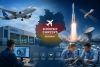
Germany remains one of Europe's leading aerospace hubs, but the demand for aerospace engineers is becoming increasingly uneven across the industry. While traditional commercial aviation and mechanical engineering sectors are growing at a slower pace, defense, space technology, and drone-related industries are experiencing strong recruitment demand.
A Market Split Between Traditional and Emerging Sectors
The German aerospace sector is currently operating at two different speeds. Established commercial aviation businesses continue to offer career opportunities, but hiring tends to be cyclical and closely linked to major aircraft programs and market conditions.
At the same time, defense and NewSpace companies are expanding rapidly. Increased European defense spending, growing geopolitical tensions, and investments in technological sovereignty have created significant demand for highly skilled engineers.
Defense and Space Driving Growth
The strongest growth is currently found in defense systems, satellite technology, autonomous aircraft, and space exploration projects. Companies involved in these sectors are actively recruiting engineers with expertise in systems integration, avionics, flight control, propulsion, and embedded software.
Germany's NewSpace ecosystem is also gaining momentum. Startups and private companies developing small satellites, launch vehicles, and autonomous aerial systems are creating new opportunities for engineers seeking innovative and fast-paced environments.
Key Aerospace Regions
Bavaria (Munich and Gilching)
Bavaria has become Germany's leading aerospace innovation cluster. The region hosts numerous space, defense, and drone technology companies, alongside research institutions and engineering centers.
Hamburg
Hamburg remains the country's commercial aviation capital, largely driven by Airbus and its extensive supplier network. It continues to attract engineers specializing in aircraft design, manufacturing, and production engineering.
North Rhine-Westphalia and Baden-Württemberg
These regions are home to important aerospace research and development activities, including facilities linked to the German Aerospace Center (DLR) and advanced engineering firms.
Skills Most in Demand
As aerospace projects become more complex and software-driven, employers increasingly seek multidisciplinary engineers. The most sought-after competencies include:
- Systems engineering and integration
- Embedded software and avionics
- Flight dynamics and control systems
- Autonomous systems and drones
- Propulsion and structural analysis
- Satellite engineering and Attitude and Orbit Control Systems (AOCS)
Software and systems expertise are becoming particularly valuable as modern aerospace platforms rely heavily on automation and digital technologies.
Barriers for International Candidates
Despite strong demand in some sectors, non-EU professionals often face challenges when applying for aerospace positions in Germany.
Many defense and space programs require security clearances that are only available to German or EU citizens. As a result, some of the fastest-growing areas of the industry remain difficult to access for international applicants.
Language can also be a factor. While English is widely used in multinational companies and research organizations, German language skills often improve career prospects and open access to a broader range of positions.
Outlook
The future of aerospace employment in Germany remains promising, particularly for engineers with expertise in defense technologies, software, autonomous systems, and space applications. However, career opportunities are increasingly concentrated in specialized sectors rather than traditional aerospace manufacturing.
For both German and international engineers, developing advanced technical skills and adapting to emerging technologies will be key to succeeding in one of Europe's most dynamic aerospace markets.